SCH4U - Chemistry 12 (2024-25) - A
SCH4U-25A
2-4A: Chemical & Physical Changes
Description
In this activity you will review the different types of changes that matter can undergo: chemical and physical as you prepare to learn about the different chemical reactions associated with organic compounds.
Page content
Chemical vs. Physical Changes
The following activity compares the differences between physical and chemical changes.
Chemistry is the study of different substances and the changes that
these substances undergo. These types of changes can be put into 2
different categories: chemical changes and physical changes.

A physical change in a substance is one in which a substance undergoes
some type of change from its original form but no new substance is
formed. This means that the chemical structure of the substance is the
same before and after the change occurs. The properties of the
substance may be different after a physical change, but it is still the
same substance.
When a physical change occurs, no new substance is produced. For
example, when ice, which is the solid form of water, melts it undergoes
a change of state from a solid to a liquid. However, the chemical
structure of the substance remains the same before and after the
change.
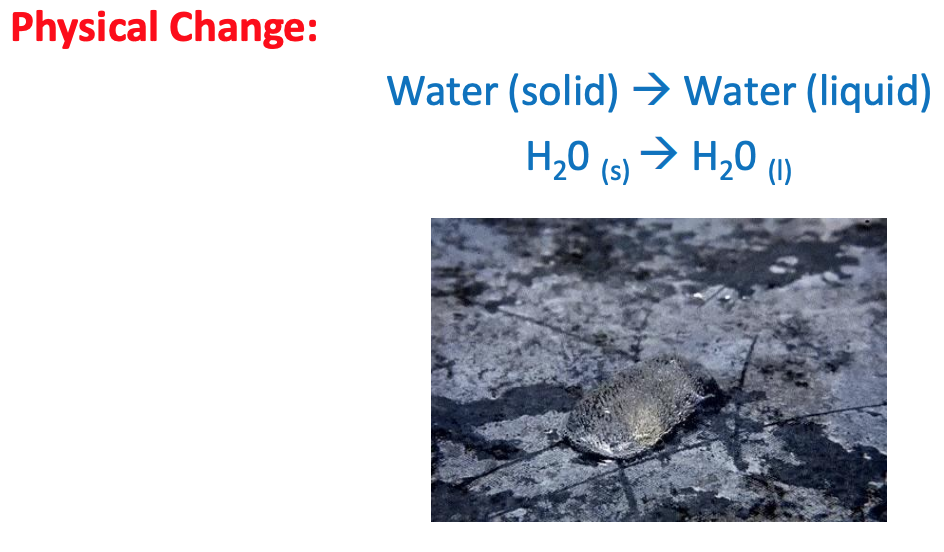
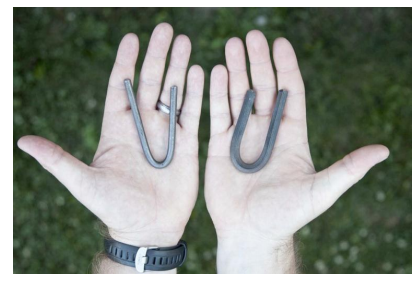
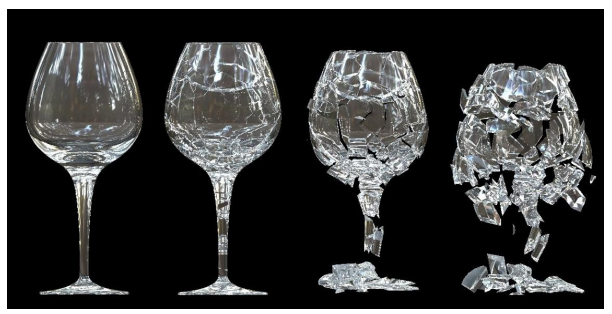
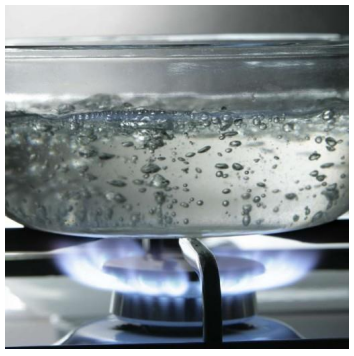
When a physical change occurs the substance maintains the same chemical structure before and after. Some examples of physical changes include:
- Changes of state
- Changing shape (bending a nail)
- Breaking a substance (breaking glass)
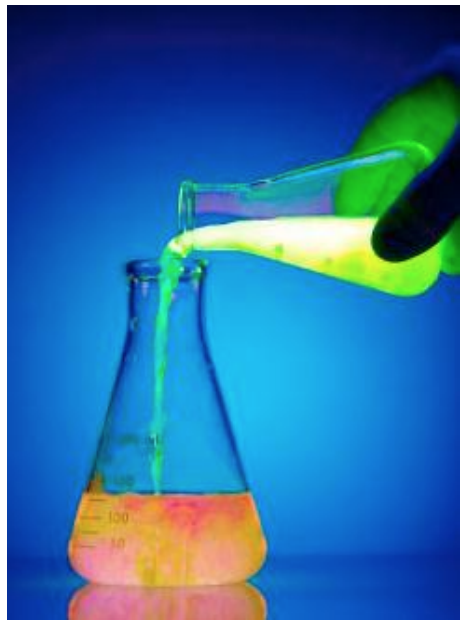
When a chemical change occurs, a new substance, with different
chemical and physical properties is formed from the original. This type
of change is called a chemical reaction. In a chemical reaction, the
original substances are called the reactants and the newly formed
substances are called the products.
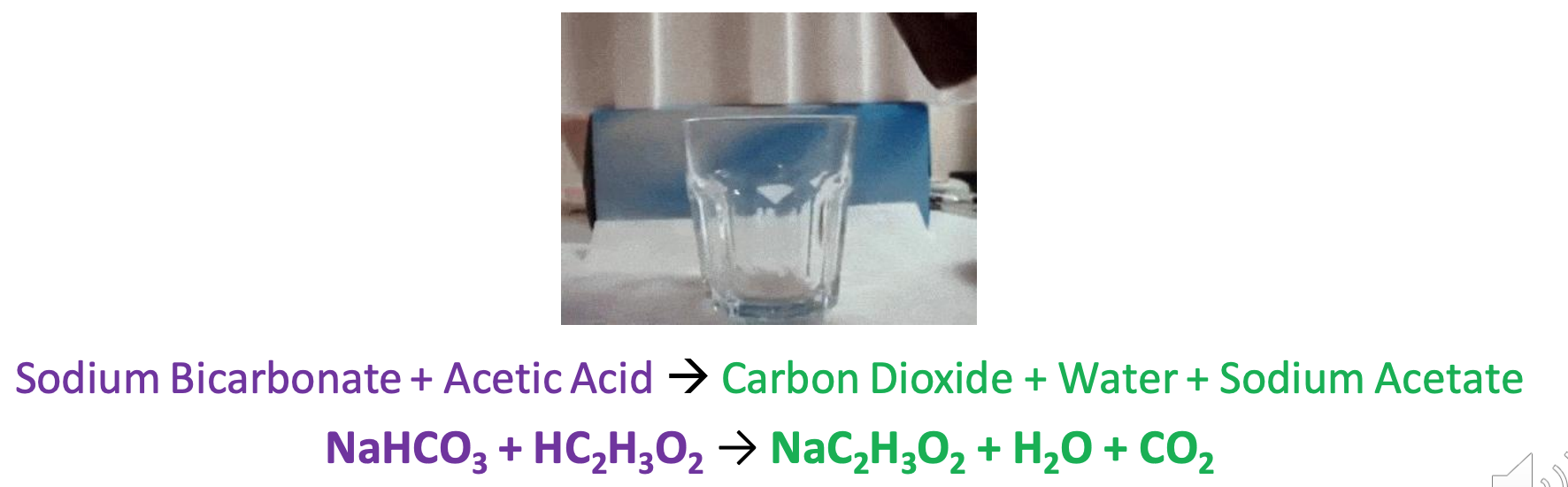
In a chemical reaction, a new substance or substances (products) are formed
from an original substance or substances (reactants). Therefore the products
of a chemical reaction will have a different chemical structure than the
reactants. When baking soda is mixed with vinegar, a chemical reaction occurs
to produce among other products, carbon dioxide gas (CO2
) which is what
causes the bubbling reaction.
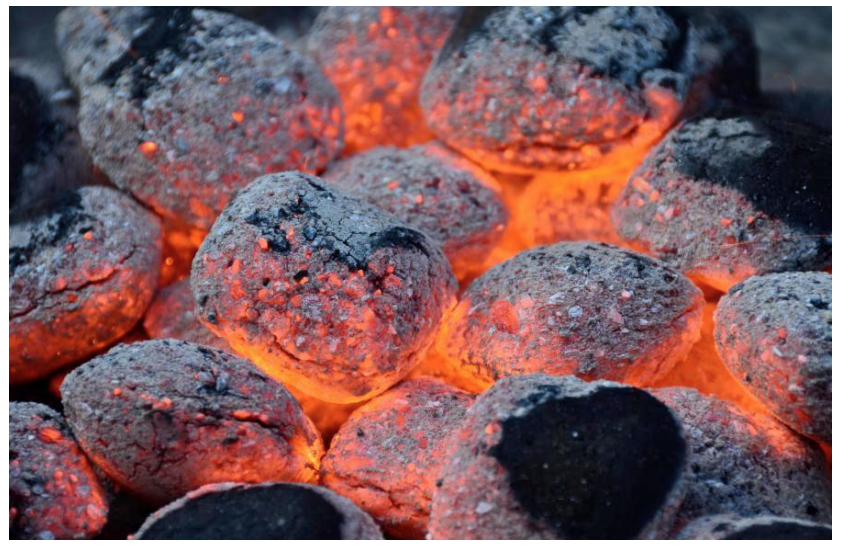
There are different clues that indicate whether a chemical reaction has
taken place and a new substance has formed. One of these clues that a
chemical reaction has taken place is if heat is released. For example,
when a match is lit, a chemical reaction takes place that causes the
release of heat which can be both felt as an increase in temperature and
seen by the appearance of the flame.
When a match is lit, chemicals on the match
head combine with oxygen in the air
causing a chemical reaction called a
combustion reaction that releases heat and
produces new substances such as ash and
smoke.
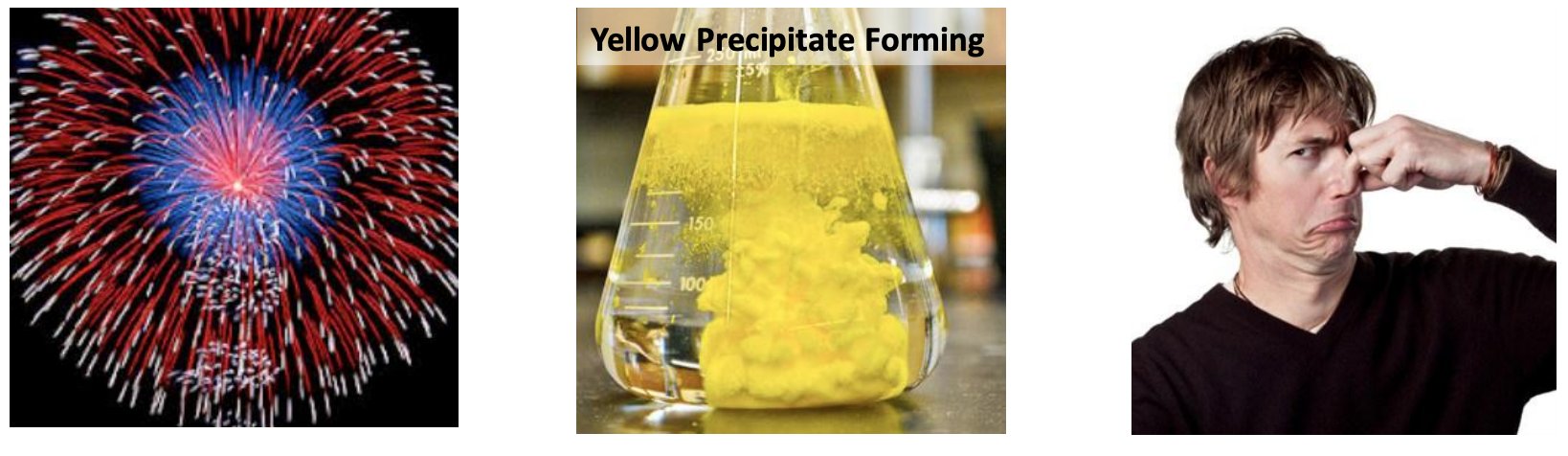
There are several different clues that indicate whether a chemical reaction has taken place. A chemical reaction has likely taken place when any one of the following can be observed:
- Heat is released
- Heat is absorbed
- Light is produced
- A Precipitate is formed
- Gas is produced
- New odour is produced