SCH4U - Chemistry 12 (2024-25) - A
SCH4U-25A
*Bohr Diagrams Review Game 1-4
Page content
Bohr Diagrams - Review Game
In this activity, you will review Bohr Diagrams. This is an opportunity to enforce the idea that atoms and their electrons can be represented in numerous ways. This is meant as a review and will lead into Lewis structures and molecular shapes.
Instructions:
- Review how to draw Bohr Diagrams with the whole class.
- Break the students up into teams of 3 or 4.
- Explain that as a team they will have to complete a series of Bohr diagrams. The first team to accurately complete them all wins the game.
- Have students try on their own in groups. The group will have to accurately draw all of the structures represented. Have the students begin drawing the structures. The first group to finish raises their hand.
- Check the work of the group to make sure the drawings are accurate.
Atomic Modelling: Bohr Models and Electron Dot Diagrams
Bohr Diagrams
1) Find your element on the periodic table.
2) Determine the number of electrons – it is the same as the atomic number.
3) This is how many electrons you will draw.
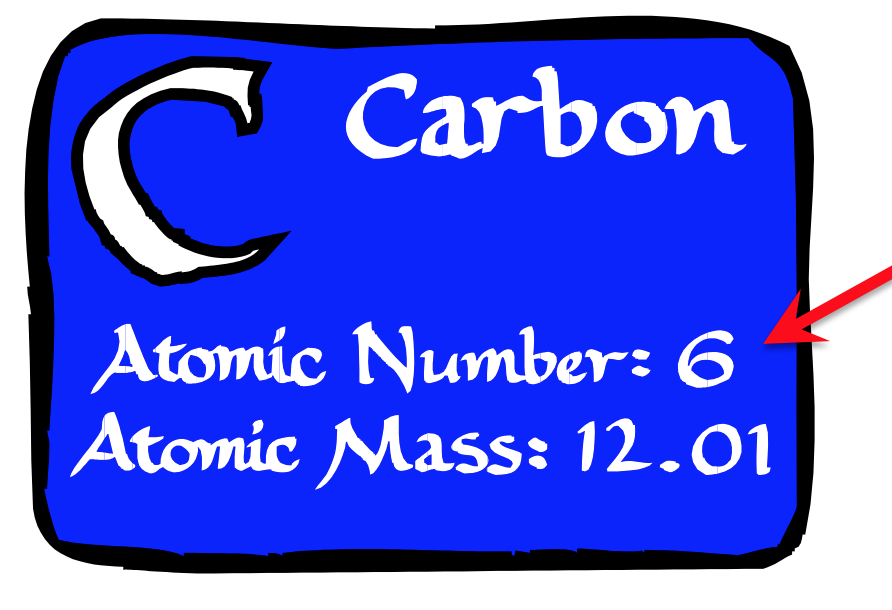
4) Find out which period
(row) your element is in.
- Elements in the 1st period have one energy level.
- Elements in the 2nd period have two energy levels, and so on.
5) Draw a nucleus with the element symbol inside.
6) Carbon is in the 2nd period, so it has two energy levels, or shells.
- Draw the shells around the nucleus.
8) Add the electrons.
- Carbon has 6 electrons.
- The first shell can only hold 2 electrons.
- Since you have 2 electrons already drawn, you need to add 4 more.
- These go in the 2nd shell.
- Add one at a time - starting on the right side and going counter clock-wise.
9) Check your work.
- You should have 6 total electrons for Carbon.
- Only two electrons can fit in the 1st shell.
- The 2nd shell can hold up to 8 electrons.
- The 3rd shell can hold 8, but the elements in the first few periods only use 18 electrons.
Try the following elements on your own:
a) H
b) He
c) O
d) Al
e) Ne
f) K